Introduction
Employment law is the foundation of fair and productive workplace relationships. In Indonesia, it plays a crucial role in balancing the rights of workers with the interests of employers. From drafting contracts to resolving disputes, compliance with labor regulations ensures stability, trust, and long‑term success for businesses. At BIP Lawfirm, we help both employers and employees navigate this complex legal landscape.
Employment Contracts: Building Strong Foundations
A well‑drafted employment contract is essential to avoid misunderstandings and disputes. Key elements include:
• Job Description & Responsibilities – Clearly define roles and expectations.
• Compensation & Benefits – Salary, allowances, overtime, and bonuses.
• Working Hours & Leave – Compliance with Indonesian labor standards.
• Termination Clauses – Grounds for dismissal and severance obligations.
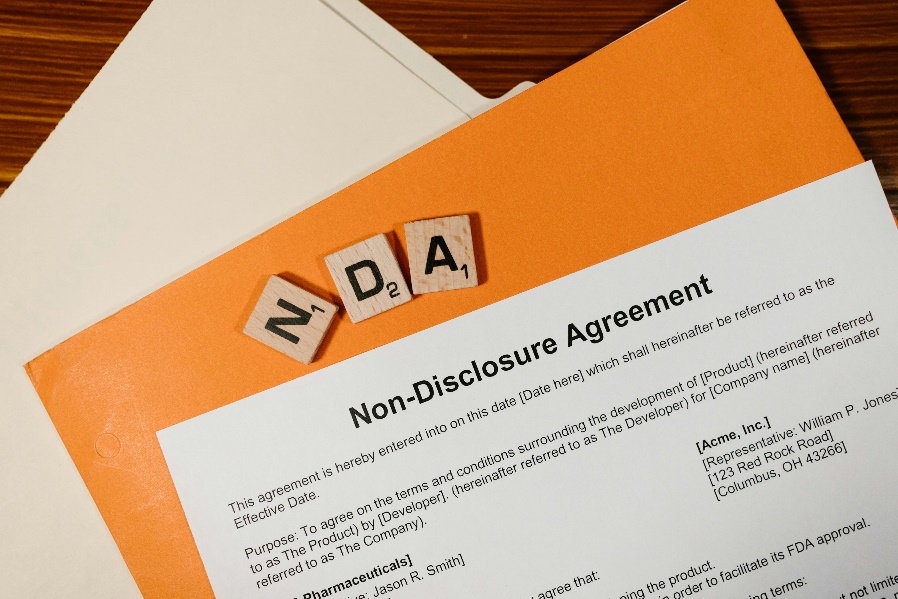
• Confidentiality & Non‑Compete Clauses – Protecting business interests while respecting workers' rights.
Employers must ensure contracts comply with Indonesia's Manpower Law (Law No. 13 of 2003, as amended) and related regulations.
Workplace Disputes: Resolving Conflicts Fairly
Disputes between workers and employers can arise from:
• Unpaid wages or benefits.
• Wrongful termination.
• Workplace safety concerns.
• Discrimination or harassment claims.
Resolution Mechanisms
1. Bipartite Negotiation – Direct discussion between employer and employee.
2. Mediation/Conciliation – Assisted resolution through government labor offices.
3. Arbitration or Industrial Relations Court – Formal legal proceedings if disputes remain unresolved.
At BIP Lawfirm, we emphasize early negotiation and mediation to save time, cost, and preserve relationships.
Compliance with Labor Regulations
Employers must adhere to Indonesian labor laws, including:
• Minimum Wage Requirements – Set by regional governments.
• Social Security (BPJS) – Mandatory health and employment insurance contributions.
• Occupational Health & Safety Standards – Ensuring safe working environments.
• Equal Opportunity Policies – Preventing discrimination in hiring and employment.
Non‑compliance can lead to penalties, reputational damage, dan legal liability.
Protecting Employers and Workers Alike
Employment law is not about favoring one side — it's about balance.
• For Employers: Compliance reduces risk, enhances reputation, and builds trust with employees.
• For Workers: Legal protections ensure fair treatment, security, and dignity in the workplace.
By fostering mutual respect, both parties benefit from stronger, more sustainable relationships.