Introduction
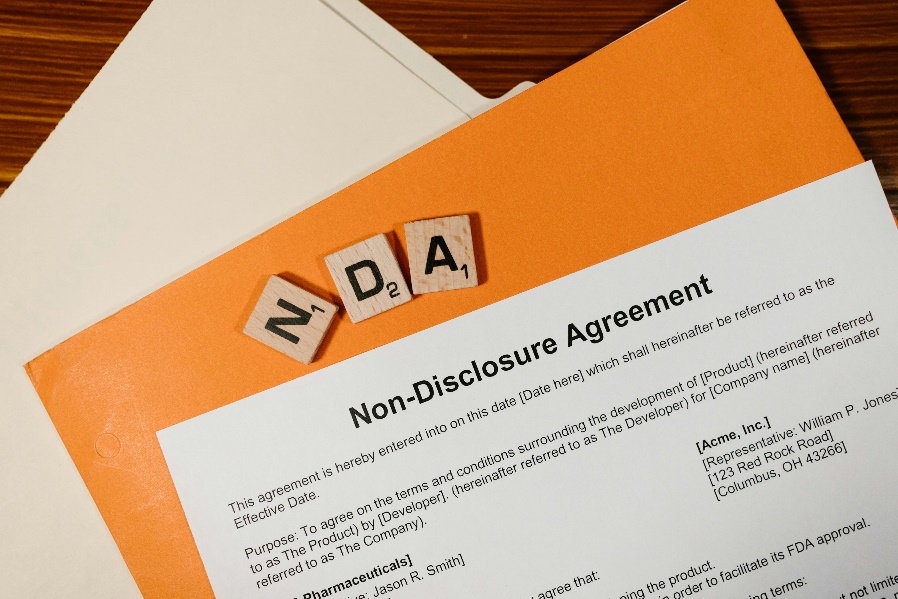
In today’s fast‑paced business environment, information is one of the most valuable assets. Whether you are negotiating a merger, hiring employees, or collaborating with partners, protecting sensitive data is essential. A Non‑Disclosure Agreement (NDA) is a powerful legal tool that ensures confidentiality and safeguards your business interests.
What Is an NDA?
An NDA is a legally binding contract that establishes confidentiality obligations between parties. It prevents unauthorized disclosure of sensitive information such as:
• Business strategies and financial data
• Intellectual property and trade secrets
• Client lists and supplier information
• Technical know‑how and product designs
NDAs are widely used in corporate transactions, employment contracts, and joint ventures.
Types of NDAs
1. Unilateral NDA
• One party discloses information, and the other agrees to keep it confidential.
• Example: An employer sharing trade secrets with an employee.
2. Mutual NDA
• Both parties exchange confidential information and agree to protect it.
• Example: Two companies collaborating on a joint project.
3. Multilateral NDA
• Involves three or more parties, where at least one shares confidential information.
• Example: Consortiums or multi‑partner ventures.
Key Clauses in an NDA
When drafting an NDA, certain clauses are critical to ensure enforceability:
• Definition of Confidential Information – Clearly specify what is protected.
• Obligations of Receiving Party – Outline how information must be handled.
• Exclusions – Information already public or independently developed may be excluded.
• Duration – Define how long confidentiality obligations last.
• Remedies – State legal consequences for breach of agreement.
Best Practices for NDAs
• Tailor the NDA: Avoid generic templates; customize based on the transaction.
• Be Specific: Clearly define confidential information to avoid disputes.
• Balance Interests: Ensure obligations are fair and not overly restrictive.
• Seek Legal Counsel: Professional review ensures compliance with Indonesian law and international standards.
• Update Regularly: Revise NDAs to reflect changes in business or regulatory environments.
Why NDAs Matter in Indonesia
Indonesia’s growing business landscape, with increasing cross‑border transactions and technology‑driven ventures, makes NDAs more important than ever. They provide:
• Legal certainty under Indonesian contract law.
• Risk mitigation for companies entering partnerships or negotiations.
• Reputation protection by preventing leaks of sensitive information.
Conclusion
NDAs are more than just contracts — they are a cornerstone of trust in business relationships. By understanding their types, key clauses, and best practices, companies can protect their most valuable asset: information.
At BIP Lawfirm, we help clients draft, review, and enforce NDAs that safeguard confidentiality while enabling collaboration.
We know what we must do.